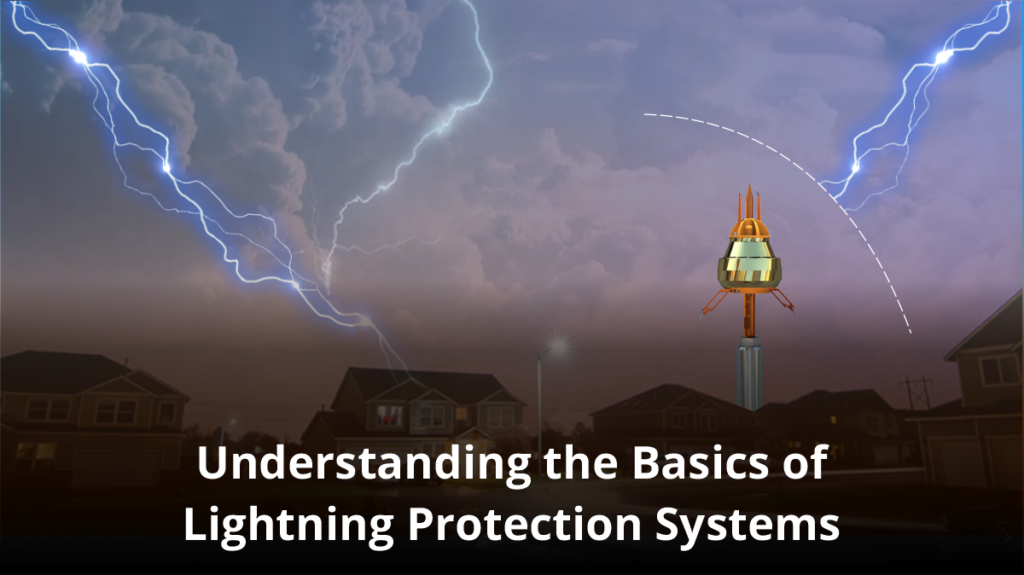
Regarding electrical safety, lightning is one of the most unpredictable and devastating natural forces to account for. Annually, lightning strikes cause billions in property damage, disrupt critical operations, and threaten human life. Despite the availability of advanced lightning protection technologies, many failures trace back to one missing step: a comprehensive risk assessment.
At ICS, we believe lightning protection design is only as strong as the strategy behind it, and that strategy must begin with understanding the risk. Risk assessment isn’t a box to check. It’s the foundation for a system that works when it matters most.
What Is Risk Assessment in Lightning Protection?
A risk assessment evaluates the likelihood and consequences of lightning strikes to a particular structure or site. It accounts for multiple variables, including:
- Location and lightning density (Ng)
- Structure size and geometry
- Occupancy type and vulnerability
- Surrounding environment and exposure
- Presence of sensitive electronics or combustible materials
Using international standards such as IEC 62305-2, a formal risk assessment helps determine whether a lightning protection system (LPS) is needed, what level of protection is necessary, and how it should be implemented.
Why It’s Critical-
1. Every Site Is Unique
Two identical buildings on different plots can face vastly different levels of lightning risk due to topography, surrounding structures, or regional weather patterns. A “one-size-fits-all” protection system may leave critical gaps or lead to overengineering and unnecessary cost.
Risk assessment ensures the solution is tailored, effective, and efficient.
2. Helps Prioritize What (and How) to Protect
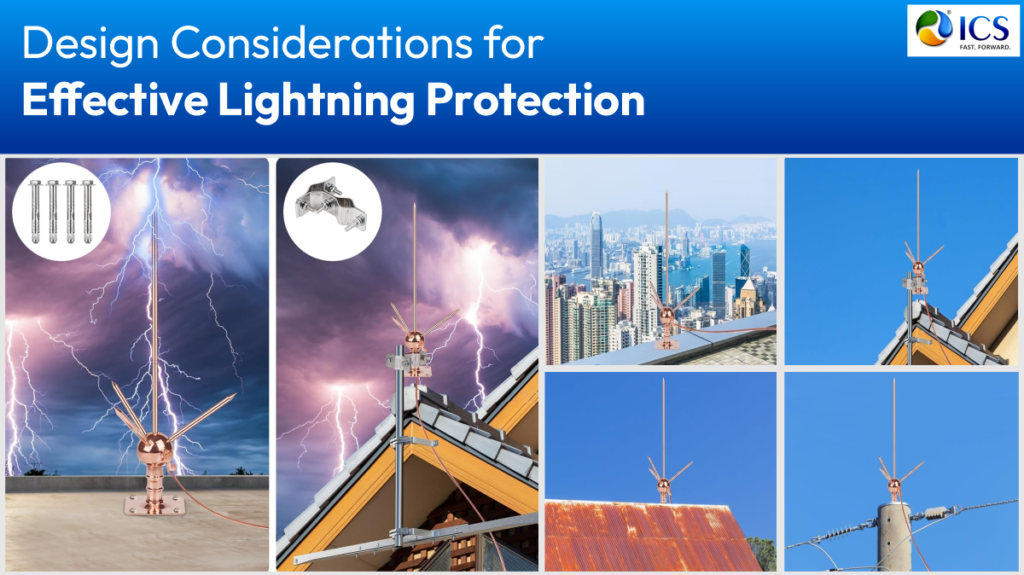
A proper assessment identifies areas at highest risk—from rooftop HVAC units to data rooms and power panels. It informs design decisions around the placement of air terminals, down conductors, and earthing networks, so protection covers what matters most.
It also highlights where surge protection devices (SPDs) and bonding are needed to protect electrical systems and electronics inside the facility.
3. It’s Often a Legal and Insurance Requirement
Many local and international standards make risk assessment mandatory before system design. Skipping this step could leave you non-compliant with building codes or insurance policies, putting liability squarely on your shoulders in the event of damage or injury.
Risk assessments provide the documented rationale for system design, helping meet regulatory, contractual, and insurance obligations.
4. Avoids Overdesign and Overspending
Ironically, skipping the assessment can sometimes lead to overcompensating in design. Systems may be overengineered, leading to inflated costs without added value.
By identifying the actual risk level, you can design a system that precisely meets the need, no more or less.
5. Protects More Than Just Infrastructure
In today’s connected world, lightning can damage sensitive electronics, bring down operations, or even trigger cascading failures in data centers, manufacturing plants, or hospitals. The indirect effects of a strike can far exceed the visible damage.
A solid risk assessment accounts for functional risks, not just structural ones, ensuring systems are designed to protect uptime, data integrity, and business continuity.
ICS: Designing with Risk at the Core
At ICS, we approach lightning protection as a precision engineering challenge, starting with a deep dive into risk. Our team uses both IEC-standardized methods and project-specific intelligence to analyze:
- Structural and electrical vulnerability
- Grounding conditions and soil resistivity
- Risk to occupants and critical operations
- Integration with existing systems
The result is an innovative, standards-aligned protection design tailored to each site, ensuring comprehensive, compliant, and cost-effective coverage.
Whether we’re designing systems for industrial facilities, critical infrastructure, or high-rise buildings, our commitment remains the same: protection that performs under pressure starts with getting the risk right.
Partner with ICS for risk-aware, performance-driven protection system design. Talk to our Lightning Protection Design Experts today!