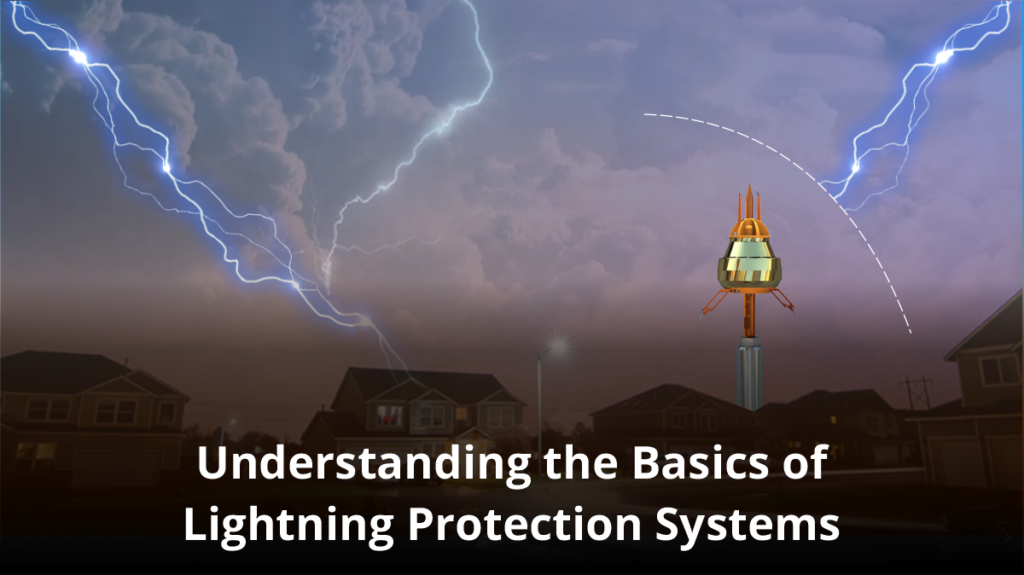
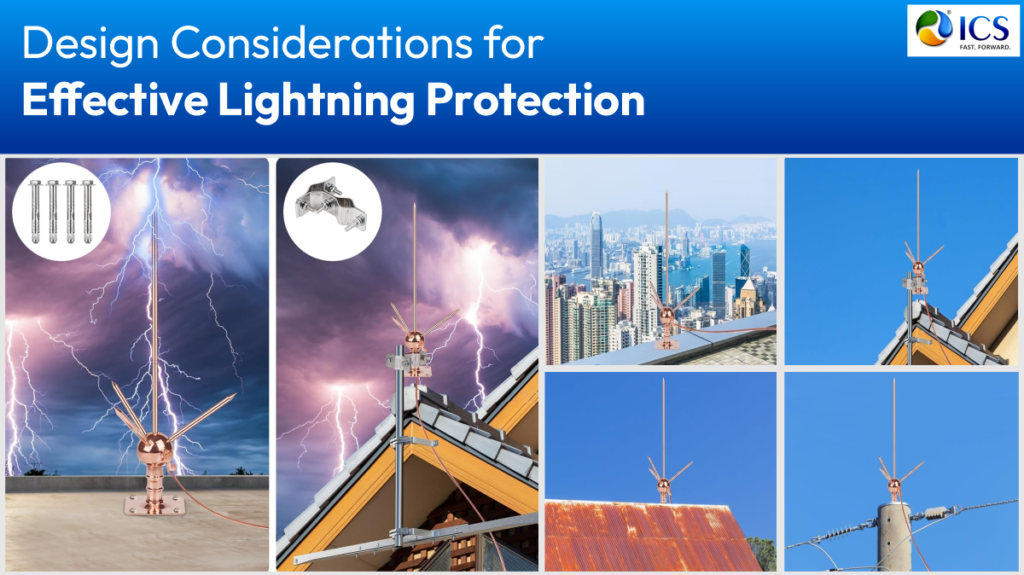
Lightning is one of nature’s most powerful forces, capable of inflicting sudden and severe damage on large and small structures. While it may seem random or rare, lightning strikes occur far more frequently than most people realize. According to global weather reports, there are an estimated 100 lightning strikes per second somewhere on Earth. The impact of a single lightning event can be devastating for critical infrastructure, commercial buildings, industrial facilities, and even residential properties.
At ICS, we work with businesses across sectors to design lightning protection systems that mitigate these risks. But understanding how lightning strikes affect structures and learning from real-world incidents helps inform better, more tailored protection strategies. In this blog, we’ll explore how lightning causes structural damage and highlight case studies that underline why risk assessment and proper protection are indispensable.
How Lightning Damages Structures
Lightning affects structures in several ways depending on factors like the building’s height, materials, location, and grounding systems. The most common forms of damage include:
1. Structural Damage
A direct strike can create fractures, cracks, or even partial collapse of walls, roofs, and facades. The immense electrical current, which can exceed 100,000 amperes, causes intense heat and rapid expansion, stressing materials like concrete, metal, and glass.
2. Electrical System Failures
Lightning-induced surges can destroy wiring, circuits, transformers, and backup systems. Power outages, fire hazards, and system downtime are frequent consequences, especially in facilities reliant on uninterrupted operations.
3. Fire and Combustion
The heat generated by lightning can ignite combustible materials such as insulation, wood structures, or chemicals stored on-site. In many cases, secondary damage from fire exceeds the original strike’s impact.
4. Sensitive Equipment Disruption
Electronic devices, data centers, and communication lines are highly vulnerable. Even indirect strikes, where the current travels through the ground or conductive pathways, can create damaging voltage spikes.
Case Study 1: Industrial Facility Fire
A manufacturing plant located in a high-lightning zone suffered a direct strike during a storm. The lightning hit the rooftop ventilation system, causing the metal components to expand and rupture. The strike’s heat ignited nearby flammable materials, resulting in a fire that damaged production lines and forced a week-long shutdown.
Post-incident analysis revealed that the building lacked a properly grounded lightning protection system and had insufficient surge protection on critical circuits. After the event, the facility engaged ICS to design a comprehensive lightning protection system that included air terminals, surge protection devices, and ground enhancement techniques. The result was a significantly reduced risk of future incidents and improved insurance compliance.
Case Study 2: Telecommunications Tower Failure
A regional telecommunications tower serving remote communities experienced multiple outages after repeated lightning strikes. The tower’s grounding rod had degraded over time, and the cabling lacked proper shielding. Over several years, the system’s integrity weakened, and a final strike caused irreparable equipment damage.
ICS’s intervention involved upgrading the tower’s grounding system, installing transient voltage surge suppressors, and implementing periodic maintenance protocols. Today, the tower continues to operate reliably despite frequent storms, ensuring uninterrupted communication services for the area.
Case Study 3: Residential Property Damage
In a suburban area, a large home was struck by lightning that traveled through the metal plumbing and wiring systems. While there was no visible structural collapse, the household appliances were fried, and significant electrical damage was discovered throughout the interior walls.
The property owners realized that indirect paths for lightning had not been considered during the original construction. After consulting ICS, they installed a properly engineered lightning protection system with bonded connections and surge protection devices at key points in the electrical infrastructure. Subsequent storms caused no further disruptions.
Key Takeaways
From these case studies, it becomes clear that lightning doesn’t just strike randomly—it exploits weak points in structural design, materials, and maintenance. Even buildings that meet minimum code requirements can remain vulnerable without comprehensive planning.
Effective protection starts with:
- A detailed risk assessment tailored to site conditions
- Proper grounding systems and conductive pathways
- Surge protection for sensitive circuits
- Regular inspection and maintenance
Lightning protection isn’t about reacting after damage occurs—it’s about anticipating potential failure points and designing solutions that integrate seamlessly with the structure’s purpose and environment.
ICS: Designing Lightning Protection That Works
At ICS, we partner with clients to design lightning protection systems that go beyond compliance. Our solutions are based on real-world data, engineering best practices, and site-specific analysis. Whether you’re managing industrial plants, critical infrastructure, or commercial buildings, we ensure that every protection system is engineered to mitigate risk without disrupting operations.
Contact ICS today to learn how our lightning protection design services can safeguard your facility, reduce downtime, and enhance safety.