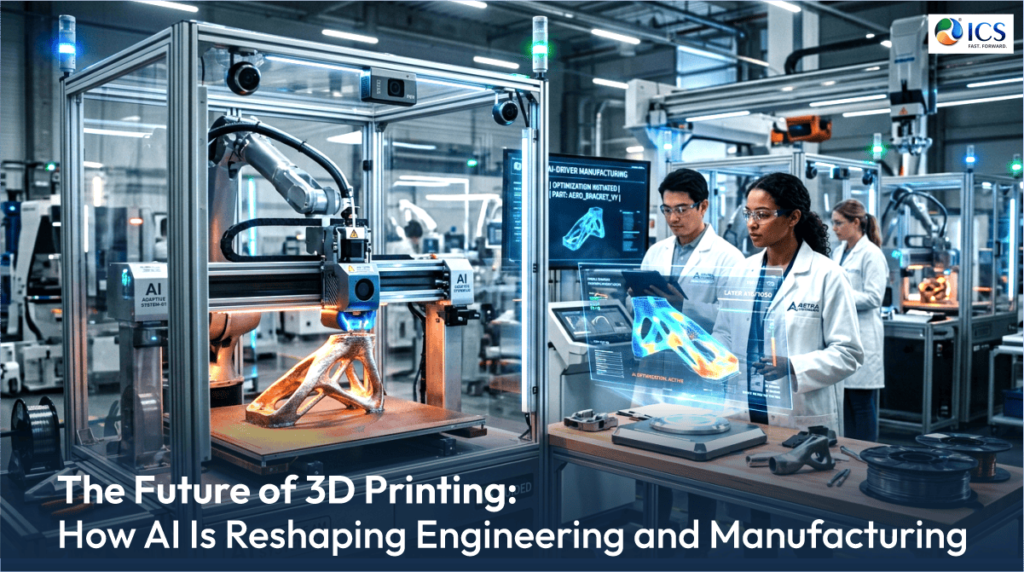
Manufacturing facilities are undergoing a structural transformation. What was once defined by isolated machines and manual oversight is now shaped by intelligent systems, connected equipment, and data-driven decision-making. Artificial intelligence, robotics, and automation are not simply enhancing productivity. But they are also redefining how modern manufacturing facilities operate.
As competition intensifies and customer expectations rise, manufacturers must deliver higher quality, faster production cycles, and greater operational flexibility. AI-powered automation and advanced robotics are making this possible.
From Automation to Intelligent Automation
Traditional automation focused on repeating predefined tasks with precision. While this improved consistency and reduced labor dependency, it lacked adaptability. Modern manufacturing facilities now integrate AI into automation systems, allowing machines to learn, adjust, and optimize performance over time.
AI enables:
- Real-time production monitoring
- Predictive maintenance scheduling
- Dynamic workflow optimization
- Automated quality inspection
Instead of reacting to breakdowns or defects, facilities can anticipate and prevent them. This shift from reactive to predictive operations significantly improves uptime and cost efficiency.
Robotics Driving Precision and Flexibility
Robotics has long been central to manufacturing, particularly in automotive and heavy industries. Today’s robotic systems, however, are more flexible, collaborative, and intelligent.
Advanced robots are capable of:
- Handling complex assembly processes
- Performing high-precision machining and welding
- Conducting automated inspections using computer vision
- Working safely alongside human operators
Collaborative robots, or cobots, are increasingly deployed in environments where human oversight and machine precision must coexist. These systems enhance productivity while maintaining safety standards.
When integrated with AI, robotics systems can adapt to variable inputs, identify defects instantly, and continuously refine their performance.
AI-Driven Quality Control
Quality control is one of the most impactful areas where AI is transforming manufacturing facilities. Traditional inspection methods rely heavily on manual checks or rule-based systems that may miss subtle defects.
AI-powered computer vision systems analyze high-resolution images in real time, identifying inconsistencies that human inspectors might overlook. These systems improve:
- Defect detection accuracy
- Inspection speed
- Process consistency
By integrating quality monitoring directly into production lines, manufacturers reduce rework, scrap rates, and warranty costs.
Predictive Maintenance and Asset Optimization
Unplanned downtime remains one of the most significant cost drivers in manufacturing. AI-enabled predictive maintenance addresses this challenge by analyzing machine data—such as vibration, temperature, and load patterns—to identify early signs of failure.
Instead of relying on fixed maintenance schedules, facilities can service equipment based on actual performance conditions. This approach:
- Extends asset lifespan
- Reduces unexpected breakdowns
- Improves maintenance planning
For modern facilities, predictive maintenance is no longer optional; it is a competitive necessity.
Data as the Foundation of Smart Manufacturing
AI, robotics, and automation rely on accurate, structured data. Modern manufacturing facilities generate vast amounts of information from sensors, machines, and production systems. The challenge lies in transforming this data into actionable insights.
Integrated digital platforms enable:
- Centralized monitoring of production performance
- Real-time decision-making
- Cross-functional visibility across departments
When properly designed, these systems create a connected ecosystem where operations, engineering, and management teams work from the same intelligence framework.
Designing Facilities for Intelligent Operations
Implementing AI, robotics, and automation is not just about installing new equipment. It requires thoughtful engineering design, infrastructure planning, and system integration.
Modern facilities must account for:
- Scalable digital architecture
- Secure network design for operational technology
- Flexible layouts to accommodate automation
- Integration between mechanical, electrical, and digital systems
Without proper planning, advanced technologies may underperform or fail to deliver expected value.
ICS: Engineering Intelligent Manufacturing Environments
At ICS, we support manufacturing facilities in integrating AI, robotics, and automation through structured engineering and digital solutions. Our approach focuses on aligning advanced technologies with operational goals, ensuring that investments translate into measurable performance improvements.
We help organizations with:
- Digital manufacturing strategy development
- System integration and infrastructure design
- Automation-ready facility planning
- AI-driven performance optimization frameworks
Build Smarter Manufacturing Facilities with ICS
AI, robotics, and automation are shaping the future of manufacturing. Facilities that embrace intelligent systems today position themselves for greater efficiency, resilience, and long-term competitiveness. Partner with ICS to design and optimize modern manufacturing facilities powered by AI, robotics, and advanced automation.